


How Chitosan Fights Bacteria: A Natural Antimicrobial Platform for Materials, Medicine, and Agriculture


Chitosan, a naturally derived biopolymer from chitin deacetylation, represents a versatile antimicrobial agent addressing bacterial contamination and antimicrobial resistance (AMR) across healthcare, food, water, and agriculture. Unlike single-mechanism antibiotics, chitosan's multi-pathway action, electrostatic membrane disruption, intracellular DNA binding, metal chelation, biofilm inhibition, and ROS generation, creates inherent barriers to resistance development. This article explores chitosan's core antimicrobial mechanisms, demonstrates cross-sector applications, identifies formulation variables that optimise performance, and positions Black Soldier Fly (BSF)-derived chitosan as a sustainable, scalable feedstock for next-generation antimicrobial innovation.
The Antibacterial Mechanisms of Chitosan
Chitosan's antimicrobial activity centres on its polycationic amino groups (-NH₂), which protonate under acidic conditions to form -NH₃⁺ groups (Guarnieri et al., 2022). These positively charged groups interact electrostatically with negatively charged bacterial cell surfaces, lipopolysaccharides in Gram-negative bacteria and teichoic acids/peptidoglycans in Gram-positive bacteria, disrupting membrane integrity and causing potassium efflux, membrane depolarisation, and intracellular leakage (Raafat et al., 2008; Kim et al., 2020). Transmission electron microscopy reveals visible membrane perforation correlating with chitosan concentration and deacetylation degree.
Beyond surface interactions, low molecular weight chitosan oligomers penetrate cell membranes and bind DNA and RNA, interfering with transcription and replication (Dai et al., 2011). Chitosan acts as a chelating agent, binding essential metal ions (Ca²⁺, Mg²⁺, Fe²⁺/Fe³⁺, Zn²⁺) required for bacterial enzyme function and cell wall stability (Guarnieri et al., 2022). In modified systems, chitosan generates reactive oxygen species (ROS) causing DNA damage, lipid peroxidation, and protein oxidation (Kim et al., 2020). Critically, chitosan demonstrates remarkable efficacy in preventing initial biofilm adhesion and disrupting established biofilms, reducing pathogenic biofilm formation by up to 90%, through interference with adhesion, EPS matrix penetration, and quorum sensing disruption (Yang et al., 2021; Patil et al., 2023).
These mechanisms act synergistically and in parallel, creating a multi-target approach that makes bacterial resistance development intrinsically difficult.
Optimising Antimicrobial Performance: Critical Formulation Variables

Degree of Deacetylation (DDA): Higher DDA correlates with greater free amino group density and stronger cationic charge at physiological pH. Chitosan with DDA >85% exhibits substantially enhanced antimicrobial activity (Gomes et al., 2021).
Molecular Weight (MW): High MW (>100 kDa) creates strong surface barriers and nutrient-blocking layers; low MW (<10 kDa) demonstrates superior solubility and intracellular penetration. The choice depends on target pathogen and application context (Costa et al., 2015; Gomes et al., 2021).
pH and Solubility: Chitosan exhibits optimal activity at acidic pH (<6), where amino groups fully protonate. At neutral and alkaline pH, solubility and activity decrease markedly (Khubiev et al., 2023).
Chemical Modifications and Derivatives: Quaternised chitosan maintains activity at neutral pH. Hydrophobic modifications enhance membrane penetration. Conjugates with metal ions (Ag⁺, Cu²⁺), nanoparticles, and natural compounds (essential oils, plant polyphenols) leverage synergistic effects (Khubiev et al., 2023; Meng et al., 2021).
Physical Form: Nanofibrous chitosan, nanoparticles, films, hydrogels, and blends with other biopolymers alter surface area, concentration, and diffusion kinetics, enabling tuned performance for specific applications.
Biomedical and Wound Care Applications
The landmark CHITOWOUND randomised controlled trial demonstrated chitosan gel (ChitoCare) achieving 92% wound surface area reduction in diabetic foot ulcers versus 37% placebo (p=0.008), with 4.62-fold higher likelihood of 75% closure (Slivnik et al., 2024). This translates directly to limb salvage and prevention of amputation.
Chitosan exerts dual-action benefits through simultaneous bacterial control and tissue regeneration. Broad-spectrum antimicrobial activity against MRSA, Pseudomonas aeruginosa, and Acinetobacter baumannii prevents infection escalation to osteomyelitis and sepsis. Non-specific mechanisms resist genetic resistance mechanisms. Regeneratively, chitosan stimulates fibroblast and keratinocyte proliferation, enhancing collagen deposition (Feng et al., 2021). It activates platelet aggregation through Toll-like receptor 2 (TLR2) signalling for haemostasis (Lee et al., 2024), promotes angiogenesis (Vijayan et al., 2019), and modulates macrophage phenotype from pro-inflammatory M1 to pro-regenerative M2 (Vasconcelos et al., 2015).
In burn wounds, chitosan-treated patients achieved shorter healing time (19.53 vs. 24.78 days, p=0.015) and lower scar scores three months post-healing (Hu et al., 2023). In chronic refractory wounds, chitosan dressings demonstrated superior healing efficacy, reduced pain, and reduced treatment costs (Liu et al., 2022).
Antimicrobial Packaging and Food Preservation
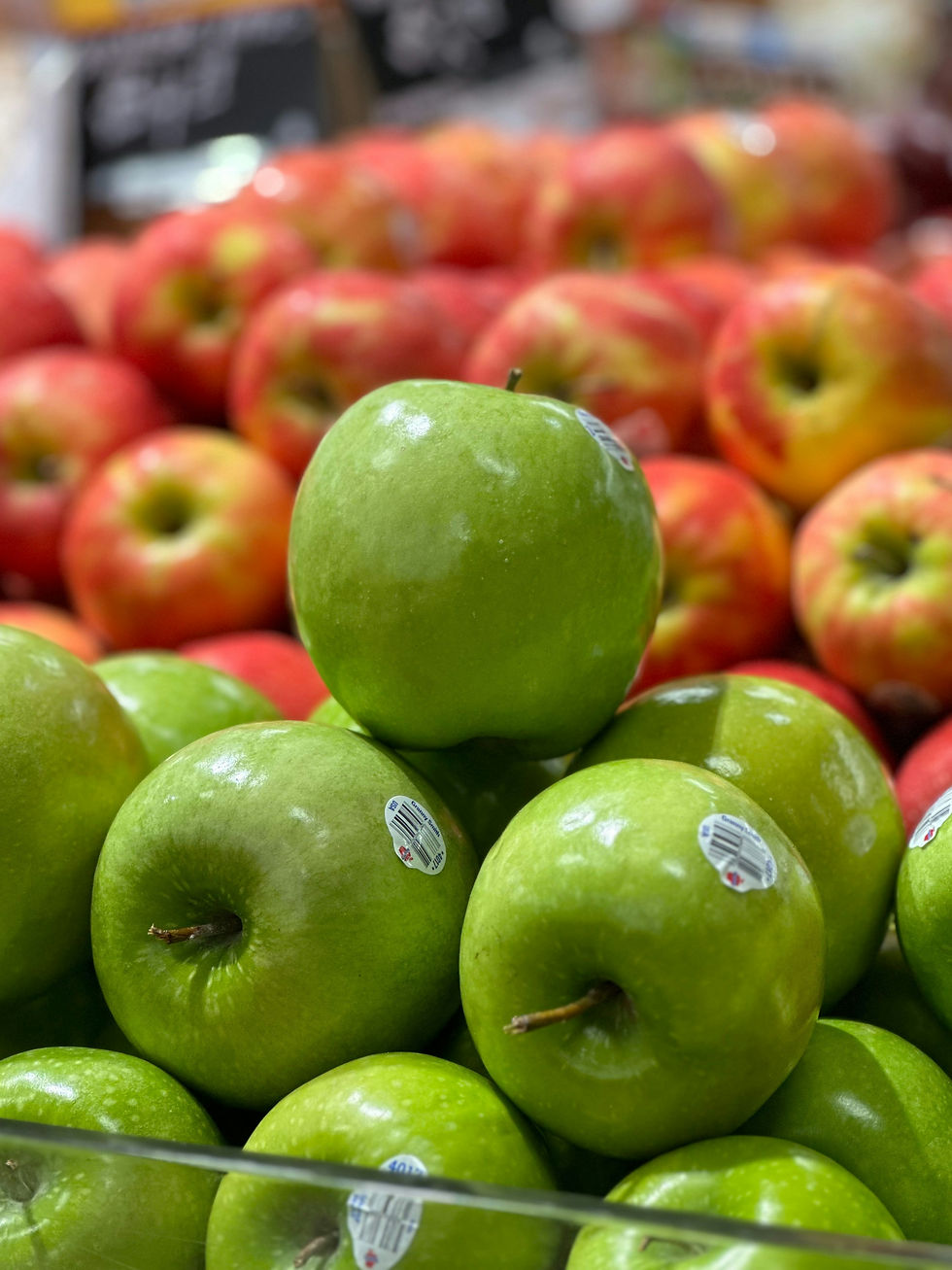
Chitosan-based edible coatings and films address global food spoilage through natural, biodegradable antimicrobial action. Coatings on fresh-cut produce, poultry, and meat reduce spoilage organisms and extend marketable shelf-life by days to weeks (Qu et al., 2025). Composite films incorporating nanoparticles (silver, zinc oxide, copper) demonstrate enhanced efficacy with reductions in foodborne pathogen loads by multiple orders of magnitude whilst maintaining mechanical integrity and gas permeability (Khubiev et al., 2023). Chitosan-cellulose blends synergistically combine structural integrity with controlled-release antimicrobial activity (Qu et al., 2025).
Regulatory acceptance is robust: the US FDA designated chitosan as Generally Recognised as Safe (GRAS) in 2001. European regulations permit chitosan-based food additives and contact materials. Consumer preference for clean-label, naturally derived preservatives positions chitosan as essential to sustainable food preservation.
Water Treatment and Biofilm Control
Water systems face persistent biofilm contamination and microbial contamination. Chitosan functions as a flocculant agglomerating suspended particles and microorganisms for removal through sedimentation and filtration. Chitosan-coated membranes enhance microbial rejection whilst maintaining superior water flux. Chitosan-impregnated filter media provide dual benefit: mechanical filtration plus active antimicrobial action preventing biofilm colonisation that reduces operational efficiency (Paczkowska-Walendowska et al., 2024).
Chitosan surface coatings on pipes, tanks, and equipment prevent initial bacterial adhesion and interrupt established biofilms, reducing biofilm thickness by up to 36% and culturable cell counts by 50–70% compared to untreated surfaces (Lima et al., 2022). These properties offer gentler, biodegradable alternatives to harsh chemical biocides.
Agriculture: Plant Protection and Immune Stimulation
Chitosan addresses global agricultural productivity threats through dual action as direct antimicrobial and plant immune elicitor. As antimicrobial, chitosan inhibits major fungal and bacterial pathogens including Rhizoctonia solani, Xanthomonas species, Blumeria graminis, and Fusarium species (Stanley-Raja et al., 2021; El Hadrami et al., 2010). As immune elicitor, chitosan triggers plant defence responses through pattern-associated molecular pattern (PAMP) recognition, leading to phytoalexin accumulation, pathogenesis-related proteins, and lignin synthesis (El Hadrami et al., 2010).
Agronomic applications include seed treatments, chitosan-coated seeds show 96.8% germination versus 26% control in rice, with enhanced bacterial leaf blight resistance (Stanley-Raja et al., 2021), foliar sprays providing contact protection and systemic acquired resistance, and postharvest coatings reducing fruit and vegetable decay. These applications align with global regulatory and retailer pressure to reduce synthetic pesticide residues.
Why Black Soldier Fly–Derived Chitosan Matters

Most commercial chitosan derives from crustacean shells, creating dependency on fluctuating shellfish supply and marine resource concerns. Black Soldier Fly (BSF, Hermetia illucens) offers a transformative alternative: land-based cultivation on organic byproducts (food waste, agricultural residues, manure) producing biomass comprising 20% chitin dry weight (Demianenko et al., 2024). Extraction yields reach 35.7% chitin with deacetylation achieving 81.5% DDA (Lin et al., 2021). Critically, BSF-derived chitosan demonstrates antimicrobial efficacy equivalent to or superior to crustacean sources against common pathogens (Siddiqui et al., 2024).
BSF chitosan meets biomedical and pharmaceutical standards through optimised extraction methods including fermentation, natural deep eutectic solvents (NADES), and superheated water hydrolysis, minimising toxic residues (Montoya-Ballesteros et al., 2025). Year-round, controlled production enables consistent supply independent of seasonal fisheries. Superior traceability, ESG alignment, and decoupling from marine resources position BSF-derived chitosan as essential for scaling antimicrobial innovations in pharmaceutical, medical device, food, and agricultural sectors.
Conclusion
Chitosan represents a genuine multi-mechanism antimicrobial platform with well-characterised molecular basis applicable across sectors. Understanding how formulation variables, degree of deacetylation, molecular weight, pH, physical form, and chemical modifications, modulate core mechanisms enables rational design of optimised antimicrobials. Sectoral diversity of successful applications, from limb salvage in diabetics to food waste reduction to agricultural pesticide replacement, demonstrates platform-level impact.
As synthetic antimicrobials face escalating resistance, regulatory pressure, and environmental concerns, natural alternatives like chitosan become increasingly valuable. Black Soldier Fly–derived chitosan represents the next inflection point: sustainable, scalable, traceable supply enabling cost-competitive, ESG-aligned antimicrobial innovation.
Entoplast stands uniquely positioned as a specialist in BSF-derived chitosan. We invite R&D leaders, product developers, and innovators to contact Entoplast to discuss specific applications, pilot projects, and joint development programmes. The science is proven. The applications are validated. The sustainable supply is ready. Contact us today at hello@entoplast.com to build the future of antimicrobial innovation together.


Comments